



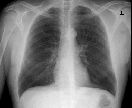
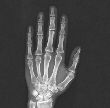

X-rays are a type of electromagnetic radiation, are invisible and create no sensation when they pass through the body. Modern x-ray techniques only use of fraction of the x-ray dose required in the early days of radiology. Special care is taken during x-ray examinations to ensure maximum safety for the patient. Women should always inform their doctor or diagnostic imaging specialist if there is any possibility of being pregnant.
During an x-ray study, patients may wear a lead apron which will shield the other parts of their body (not being imaged) from radiation. Lead is a very dense material and can absorb 100% of the x-rays passing through it. X-ray technologists and radiologists are particularly sensitive to the hazards of constant exposure to x-rays and wear special, sensitized film badges which monitor the amount of radiation they receive over time.
Modern, state-of-the-art x-ray systems (including low dose mammography systems, angiographic labs and CT scanners) have very tightly controlled x-ray beams with significant filtration and x-ray dose control methods. Thus, scatter or stray radiation is minimized and those parts of a patient's body not being imaged receive minimal exposure.
